Testing the Pathway Before Scaling the Market
Before the Wright County Farm Stop fully opens, GOTURSIX can use the Fresh Egg Pop-Up as a small-scale test of the systems the larger market will eventually need.
The Fresh Egg Pop-Up is not simply an egg sale.
It is a case study in rural market entry.
The pilot allows GOTURSIX to follow one locally produced food through production, licensing, refrigeration, consignment, retail, customer purchase, and eventually SNAP access.
The Research Question
What does it take for a very small rural producer to legally, practically, and profitably move fresh eggs from the farm into local retail markets?
A second question follows:
Can that pathway be replicated for other producers and products?
The Pilot Product
Product: Fresh shell eggs
Eggs provide a useful pilot because they require enough regulation and infrastructure to reveal the pathway without requiring the Farm Stop to launch its entire future inventory at once.
The pathway is:
Hen → Egg → Producer → Retail-Ready Product → Retailer → Consumer
Phase One: Producer Readiness
The first test begins before the eggs reach the market.
Document:
• Flock size
• Average production
• Production cost
• Collection procedures
• Egg handling
• Candling
• Grading
• Sizing
• Packaging
• Labeling
• Refrigeration
• Required producer records
• Applicable licensing
The objective is to determine what it takes to transform:
Eggs we have → Eggs we can legally sell
Phase Two: Retail Readiness
The next question is what the retailer must provide.
Document:
• Retail license requirements
• Egg retailer requirements
• Refrigeration
• Temperature monitoring
• Product display
• Inventory tracking
• Point-of-sale system
• Customer receipts
• Producer identification
• Insurance
• Recordkeeping
• Applicable inspections
The objective is to determine what it takes to transform:
Retail-ready eggs → Legal retail transaction
Phase Three: Pop-Up Location
The pilot can then test sales at participating private businesses.
The proposed structure is:
Producer → Farm Stop Retailer → Pop-Up Host Location → Consumer
The host provides an approved location for the temporary retail activity.
The Farm Stop retailer remains responsible for the retail transaction.
The host does not automatically become the reseller simply because the sale occurs at its property.
The exact arrangement should be documented and confirmed for each location.
Host Relationship
Each participating business should have a simple written agreement establishing:
Who owns the inventory.
Who operates the sale.
Who processes payment.
Who provides refrigeration.
Who monitors product temperature.
Who handles unsold inventory.
What the host receives, if anything.
Who carries applicable insurance.
The purpose is to avoid ambiguity about who is conducting the retail activity.
Testing the 75/25 Model
The pop-up provides an early opportunity to test the proposed Farm Stop economics.
Producer: 75%
Retail pathway: 25%
For a $6 dozen:
Producer: $4.50
Retail pathway: $1.50
Track whether that $1.50 adequately contributes to:
• Payment processing
• Transportation
• Refrigeration
• Licensing
• Inventory management
• Pop-up equipment
• Administration
• Marketing
• Retail labor
The goal is to determine the actual cost of creating the sale.
Customer Data
The pop-up can also generate useful market information.
Track:
• Dozens available
• Dozens sold
• Sell-through percentage
• Time required to sell
• Retail price
• Repeat customers
• Payment method
• Location
• Day of week
• Time of day
• Customer requests
• Questions customers ask
Do not collect unnecessary personal information.
The purpose is to understand market behavior, not individual consumers.
Location Comparison
If the pilot operates at multiple host businesses, GOTURSIX can compare results.
For each location, document:
Inventory brought.
Inventory sold.
Sales per hour.
Average transaction.
Customer traffic.
Travel time.
Transportation cost.
Host involvement.
Administrative effort.
This helps determine whether recurring pop-ups are economically viable or whether centralized retail infrastructure creates greater efficiency.
Refrigeration Test
Eggs also provide an opportunity to test cold-chain infrastructure.
Document:
• Refrigerator used
• Starting temperature
• Temperature during transport
• Temperature at retail location
• Temperature-monitoring process
• Power requirements
• Backup plan
• Equipment cost
This information can help determine what refrigeration infrastructure the Farm Stop and future pop-ups require.
Regulatory Navigation Log
Every interaction with a regulatory or licensing agency should be documented.
Record:
Date
Agency
Person contacted
Question asked
Guidance received
Requirement identified
Follow-up needed
Resolution
The purpose is not to evaluate individual agency employees.
The purpose is to document what it takes for a small producer to find the correct answer.
Barrier Log
When the pilot encounters a barrier, capture:
What were we attempting to do?
What stopped or slowed us?
Was the requirement clear?
What did resolving it require?
How much did it cost?
How much time did it take?
Could another small producer reasonably navigate it?
What might make the pathway easier to understand or access?
This becomes valuable Foodshed Project evidence.
Success Log
Barriers should not be the sole focus.
Also document what works.
Capture:
• Helpful agencies
• Clear guidance
• Useful partnerships
• Affordable solutions
• Effective equipment
• Strong host locations
• Successful customer communication
• Producer practices that work well
• Processes worth replicating
The Foodshed Project needs to identify assets as well as gaps.
SNAP Phase
Once the Farm Stop retailer becomes SNAP-authorized, the egg pilot can test the next pathway:
Local Eggs → Authorized Retailer → SNAP Customer
Track:
• SNAP-eligible sales
• Number of SNAP transactions
• Dollar value of SNAP sales
• Producer payment from SNAP purchases
• Administrative requirements
• Point-of-sale process
• Customer questions
• Compliance requirements
The question is:
Does SNAP authorization meaningfully expand the market for locally produced eggs?
Scaling Test
Once the egg pathway works, ask:
What changes when we add another egg producer?
Then:
What changes when we add another product?
Each addition tests a different part of the system.
The progression may look like:
One producer → One product → One location
then
Multiple locations
then
Multiple producers
then
Multiple products
then
Permanent Farm Stop
This allows the model to grow through evidence rather than assumptions.
Case Study Record
At the conclusion of the pilot, GOTURSIX should be able to produce a case study documenting:
The Goal: What we wanted to accomplish.
The Starting Point: What resources we already had.
The Requirements: What the producer and retailer had to do.
The Cost: What market entry required financially.
The Timeline: How long the pathway took.
The Barriers: Where progress became difficult.
The Assets: What helped.
The Economics: Whether the sale worked for producer and retailer.
The Consumer Response: Whether people bought the product.
The SNAP Result: Whether benefit access expanded the market.
The Lessons: What another producer should know.
Why the Pop-Up Matters
The Fresh Egg Pop-Up gives GOTURSIX a way to test the Farm Stop before the Farm Stop exists at full scale.
Instead of waiting until every piece of infrastructure is complete, we can learn from one product moving through one real market pathway.
That creates a development cycle:
Test → Document → Learn → Adjust → Test Again → Scale
Connection to the Foodshed Project
The pop-up provides one local experience.
Community engagement determines whether that experience is shared.
If other producers report similar barriers, the experience becomes a pattern worth examining.
If similar patterns appear across multiple counties, they may inform the regional Food System Action Plan.
One egg sale does not define the foodshed.
But following that egg from the hen to the customer can teach us a remarkable amount about how the foodshed works.
Start small. Follow the pathway. Document what happens. Build from what we learn.
Separating Community Development, Production, and Retail
The Wright County Farm Stop is developing as a partnership between distinct functions rather than placing every responsibility inside GOTURSIX.
The emerging model separates:
GOTURSIX: Community development and shared infrastructure
Producer: Food production and producer compliance
Farm Stop Retailer: Retail operations and customer transactions
This separation allows GOTURSIX to focus on its nonprofit mission while creating a practical pathway for independent producers and a separately operated retail business.
The Operating Structure
GOTURSIX
GOTURSIX develops and supports the community infrastructure surrounding the Farm Stop.
Its role may include:
• Site and infrastructure development
• Producer outreach
• Community engagement
• Partnership development
• Foodshed Project leadership
• Producer education
• Shared-resource development
• Grant-funded infrastructure where allowable
• Documentation and evaluation
• Community food-access initiatives
• Research and policy education
GOTURSIX is not intended to function as the merchant of record for the retail operation.
Farm Stop Retail Business
The Farm Stop retail business operates the marketplace.
The retailer is responsible for the commercial activity associated with selling products to consumers.
Responsibilities may include:
• Business registration
• Retail licensing
• SNAP retailer authorization
• Point-of-sale system
• EBT transactions
• Customer payments
• Inventory tracking
• Producer accounts
• Consignment agreements
• Producer payments
• Applicable insurance
• Retail recordkeeping
• Store operations
• Applicable food-safety requirements
Under the current pilot concept, Sheldon serves as the Farm Stop business owner/operator.
The structure should be finalized only after confirming applicable legal, tax, licensing, insurance, SNAP, and property-use requirements.
Producer Businesses
Producers remain independent businesses or individuals supplying products to the Farm Stop.
The first pilot producer is Aubrey through the Fresh Egg Enterprise Pilot.
The producer is responsible for meeting requirements associated with producing and preparing the product for legal retail sale.
Depending on the product, responsibilities may include:
• Production
• Licensing
• Food safety
• Packaging
• Labeling
• Product records
• Delivery
• Product quality
• Agreed pricing
• Applicable insurance
The Farm Stop does not replace producer compliance requirements.
It provides a shared pathway to market.
The Basic Relationship
The operating model becomes:
Producer → Farm Stop Retailer → Consumer
GOTURSIX surrounds that transaction with:
Infrastructure + Partnerships + Learning + Community Development
This creates a distinction between supporting commerce and conducting commerce.
Property Relationship
The Farm Stop operates on property associated with GOTURSIX's community-development work.
Because the nonprofit and retail business are separate entities, the relationship between the retail business and GOTURSIX should be documented.
That may require a written:
• Facility-use agreement
• Lease
• Operating agreement
• Shared-services agreement
• Infrastructure-use agreement
The appropriate structure should be determined before full retail operations begin.
The agreement should clearly establish:
What space the retailer may use.
What infrastructure GOTURSIX provides.
What the retailer provides.
Who pays utilities.
Who maintains equipment.
Who carries insurance.
Who is responsible for retail operations.
What happens if the relationship ends.
Clear separation protects both organizations.
Consignment Relationship
Independent producers may place qualifying products at the Farm Stop under the proposed 75/25 consignment model.
The relationship becomes:
Producer owns product → Farm Stop provides retail pathway → Consumer purchases product → Producer receives 75% → Retailer retains 25%
The exact inventory-ownership and transaction structure must be confirmed for each regulated product category and for SNAP transactions.
Retail Revenue
The Farm Stop retailer's proposed 25% share supports the cost of operating the market.
Potential expenses include:
• Payment-processing fees
• SNAP processing
• Utilities
• Refrigeration
• Insurance
• Licensing
• Bookkeeping
• Inventory management
• Cleaning
• Customer service
• Marketing
• Product loss
• Retail equipment
• Administrative labor
The pilot will determine whether 25% produces enough revenue to sustain those functions.
GOTURSIX Revenue
GOTURSIX's financial relationship with the Farm Stop retail business should remain separate from individual retail transactions unless a formal agreement establishes otherwise.
Potential nonprofit support may include grant-funded infrastructure, charitable contributions, sponsorships, volunteer support, producer education, and community-development programming when consistent with GOTURSIX's charitable purpose and applicable funding restrictions.
Any payment between the retail business and GOTURSIX should have a documented purpose and appropriate agreement.
SNAP Relationship
The proposed model places SNAP authorization with the retail business rather than GOTURSIX.
That means:
Farm Stop retailer applies.
Farm Stop retailer becomes authorized if approved.
Farm Stop retailer processes EBT transactions.
Farm Stop retailer maintains SNAP records and compliance.
GOTURSIX can document and evaluate the pathway without functioning as the SNAP retailer.
WIC Relationship
If the Farm Stop later pursues WIC participation, the retail business would evaluate and pursue vendor eligibility.
GOTURSIX can support readiness research and infrastructure development where appropriate, but WIC authorization would attach to the qualifying retail operation.
The Customer Experience
The organizational structure should be invisible to the customer where possible.
A customer should experience:
One market.
Local products.
Clear prices.
Simple checkout.
Multiple payment options.
Transparent producer identification.
The complexity belongs behind the counter, not in front of the customer.
Why This Structure Matters
Separating the functions creates clearer accountability.
Producer: Responsible for producing a legal, retail-ready product.
Retailer: Responsible for selling the product.
GOTURSIX: Responsible for the community-development work that helps make the pathway possible.
Each participant can then develop the capabilities associated with its role.
Questions Still to Resolve
Before launch, the model needs confirmation of:
• Final retail business structure
• Property-use agreement
• Insurance responsibilities
• Utility responsibilities
• Retail licensing
• Egg licensing
• Consignment agreement
• Inventory ownership rules
• SNAP treatment of consigned products
• Point-of-sale system
• Producer payment schedule
• Accounting procedures
• Sales-tax treatment by product
• Product-loss policies
• Food-safety responsibilities
• WIC feasibility
These are implementation questions, not reasons to stop development.
They form the next stage of the pilot.
What the Model Tests
The operating model allows GOTURSIX to test a larger rural-development question:
Can nonprofit-supported shared infrastructure create a marketplace where independent small producers can build their own enterprises?
If the model works, the nonprofit does not need to own every business.
Instead:
GOTURSIX builds conditions.
Producers build products.
The retailer builds the market.
Consumers create demand.
That is economic mobility functioning as an ecosystem rather than a program.
The Bigger Idea
The Wright County Farm Stop does not need to turn GOTURSIX into a grocery store or turn every producer into a retailer.
It can create a place where different participants do what they do best.
GOTURSIX builds what’s missing. Producers grow what’s possible. The Farm Stop connects it to the market.
Building the Farm Stop While Learning From the System
The Wright County Farm Stop is more than a future place to buy locally produced food.
Its development gives GOTURSIX an opportunity to observe, test, and document what it takes to connect small Ozark food producers with local consumers.
That makes the Farm Stop a real-world learning lab for the Missing Middle.
The purpose is not to prove that the Farm Stop is the answer.
The purpose is to use the process of building it to better understand the questions.
The Core Question
What has to exist between a local producer and a local consumer for a sustainable transaction to happen?
At first glance, the pathway looks simple:
Producer → Product → Customer
In practice, the middle may contain:
Licensing → Food Safety → Processing → Packaging → Refrigeration → Storage → Transportation → Pricing → Insurance → Inventory → Retail → Payment Processing → SNAP → Market Access
Every step represents something that has to exist, be understood, or be paid for before a product reaches a customer.
The Farm Stop allows GOTURSIX to examine those steps in real time.
Why a Learning Lab?
Traditional research can tell us what regulations say, what programs require, or what food systems look like at a high level.
Participating in the system reveals something different.
It shows us:
How easy is the information to find?
How understandable are the requirements?
How many people or agencies must a producer contact?
How much does compliance cost?
How long does the pathway take?
Where does someone get stuck?
What infrastructure is missing?
What solutions already exist that people may not know about?
Those experiences help GOTURSIX ask better questions during the South Central Missouri Foodshed Project.
Experiment 1: Fresh Eggs
The Fresh Egg Enterprise Pilot follows one simple product through the system.
Hen → Egg → Producer → Retailer → Consumer
The pilot allows us to examine:
• Production
• Egg licensing
• Candling and grading
• Packaging and labeling
• Refrigeration
• Retail licensing
• Pricing
• Inventory
• Consignment
• Payment processing
• SNAP eligibility
The product is the egg.
The pathway is what we are studying.
Experiment 2: 75/25 Consignment
The Farm Stop will test whether shared retail infrastructure can provide a viable market for small producers without requiring the retailer to purchase every product wholesale.
The proposed model is:
75% Producer / 25% Farm Stop Retailer
This allows GOTURSIX to examine:
• Inventory ownership
• Producer pricing
• Retail margins
• Product loss
• Producer payment
• Administrative workload
• Retail operating costs
• Scalability
The central question is:
Can one shared market create enough value for both the producer and the retailer?
Experiment 3: SNAP
The Farm Stop will test the pathway required to connect locally produced food with SNAP purchasing power.
The pathway becomes:
Local Producer → SNAP-Authorized Retailer → SNAP Customer
This allows us to examine:
• Retailer eligibility
• Ownership requirements
• Inventory requirements
• EBT processing
• Recordkeeping
• Consigned products
• Producer payments
• Administrative burden
• Consumer access
The larger question is:
What does it take for local food and federal nutrition benefits to meet in the same rural marketplace?
Experiment 4: WIC Readiness
WIC provides a separate learning opportunity.
Rather than assuming a small local market can immediately participate, the Farm Stop can document the distance between its existing capacity and Missouri WIC vendor requirements.
The question becomes:
What would a small rural local-food retailer need to add or change to become WIC-ready?
That gap itself becomes useful information.
Experiment 5: Cucumber to Pickle
The value-added pathway allows GOTURSIX to examine what happens when a producer moves beyond a raw agricultural product.
Cucumber → Processing → Pickle → Retail Product
That transition introduces questions involving:
• Production environment
• Food safety
• Processing
• Training
• Process approval
• Packaging
• Labeling
• Licensing
• Market access
• Capital
The question is not whether food safety matters.
The question is:
What does safe market entry require, and is that pathway realistically accessible at very small scale?
Experiment 6: Shared Infrastructure
The Farm Stop itself allows GOTURSIX to test whether infrastructure can be shared rather than duplicated.
Potential shared resources include:
• Refrigeration
• Freezer capacity
• Dry storage
• Retail space
• Point-of-sale systems
• SNAP access
• Customer traffic
• Marketing
• Inventory management
• Distribution
• Processing space
• Administrative support
The central question is:
What can we build once that helps many producers?
Experiment 7: Producer Readiness
Not every producer arrives at the market at the same stage.
One producer may need refrigeration.
Another may need labeling help.
Another may need insurance.
Another may need a retail license.
Another may need help understanding pricing.
Another may already be completely market-ready.
The Farm Stop provides an opportunity to identify common readiness needs without assuming every producer requires the same support.
Experiment 8: Consumer Access
The learning lab also includes the customer side of the transaction.
GOTURSIX can observe:
• What products consumers request
• What products sell
• What price points work
• How frequently people shop
• When people shop
• Which payment methods matter
• Whether SNAP changes purchasing behavior
• Which products remain unavailable locally
• What consumers wish they could purchase closer to home
Producer supply and consumer demand can then be examined together.
What We Document
Each learning-lab activity should capture the same basic information:
Goal: What were we attempting to accomplish?
Starting point: What did we already have?
Pathway: What steps were required?
Requirement: What rules or standards applied?
People: Who helped us navigate the process?
Time: How long did it take?
Cost: What did it require financially?
Infrastructure: What physical resources were needed?
Barrier: Where did the pathway become difficult?
Solution: What allowed us to move forward?
Outcome: What happened?
Lesson: What should another producer or community know?
Using the same structure across experiments makes experiences easier to compare.
From Experiment to Evidence
One Farm Stop experience does not establish a regional conclusion.
Instead:
Farm Stop Experience → Question → Community Listening → Repeated Experience → Pattern → Regional Priority
For example:
If the Farm Stop needs refrigeration, that tells us something about the Farm Stop.
If several Wright County producers identify refrigeration as a barrier, we have a local pattern.
If producers in Webster, Texas, Douglas, Laclede, Ozark, or Howell counties report the same issue, shared cold storage may become a regional infrastructure question.
That is how learning becomes evidence.
Connection to Local Leadership Teams
The Farm Stop learning lab will generate questions that can be taken to Local Leadership Teams.
Local Leadership Teams can then help determine:
Is this happening here?
Who else experiences it?
What already exists that could help?
Is the barrier local or regional?
What solution would make sense in this community?
This keeps GOTURSIX from assuming that its own experience represents everyone else's.
Connection to the Food System Action Plan
By June 2027, the South Central Missouri Food System Action Plan should reflect both:
What people told us.
and
What we learned by walking the pathways.
The Farm Stop learning lab can contribute evidence related to:
• Producer readiness
• Retail market development
• Shared infrastructure
• Food access
• SNAP
• WIC readiness
• Value-added production
• Regulatory navigation
• Market economics
• Consumer demand
Those findings can help identify practical regional priorities.
What the Farm Stop Is Not
The Farm Stop is not the predetermined solution for South Central Missouri.
Every county does not need a Farm Stop.
Every producer does not need consignment.
Every community does not have the same infrastructure needs.
The Farm Stop is one place where GOTURSIX can test how the system works.
The regional work determines what the region needs.
What Success Looks Like
By the time the Wright County Farm Stop opens, GOTURSIX should understand substantially more than how to operate a store.
We should understand:
What it takes for a producer to become market-ready.
What it costs to provide shared retail infrastructure.
What regulations shape different product pathways.
What producers can realistically share.
What consumers want locally.
How SNAP can connect purchasing power with local food.
What additional capacity WIC may require.
Where producers repeatedly encounter barriers.
Which barriers can be solved locally.
Which may require regional partnerships, investment, administrative changes, or policy conversations.
The Bigger Idea
The Wright County Farm Stop gives GOTURSIX something unusually valuable:
A place to build and a place to learn at the same time.
Eggs teach us about retail.
Consignment teaches us about market economics.
SNAP teaches us about food access.
Pickles teach us about value-added enterprise.
Licensing teaches us about regulatory navigation.
Refrigeration teaches us about shared infrastructure.
Producers teach us what the system feels like.
Consumers teach us what the market needs.
The Foodshed Project allows us to ask whether those lessons extend beyond Wright County.
The Farm Stop is where we test. The region is where we listen. The Action Plan is where the learning comes together.
Rooted in the Ozarks: Stories From the Missing Middle
GOTURSIX is developing a body of public-facing writing that documents what we are learning about economic mobility, local food, rural enterprise, food access, community infrastructure, and policy in Missouri’s Ozarks.
Rather than treating each blog as a separate topic, the work can become a connected GOTURSIX editorial and research series.
The common question is:
What stands between the resources already present in our communities and the opportunity those resources could create locally?
Series Purpose
The series gives GOTURSIX a way to turn field experience into public learning.
Each piece should do at least one of four things:
Tell a local story: Show what producers, consumers, businesses, or communities are experiencing.
Explain a pathway: Make complicated systems easier to understand.
Explore a barrier: Examine where local resources and local opportunity fail to connect.
Invite action: Show where partnerships, infrastructure, community leadership, or policy could strengthen the system.
Together, the pieces create an ongoing record of GOTURSIX’s work.
Series Theme
The Missing Middle
The Missing Middle is the space between what a community already has and what it is attempting to accomplish.
In the local food system, that may look like:
Producer → Missing Middle → Market
Local Food → Missing Middle → Consumer
Cucumber → Missing Middle → Pickle Business
SNAP Purchasing Power → Missing Middle → Local Food
Community Resource → Missing Middle → Economic Opportunity
GOTURSIX works in that space.
Current and Developing Stories
The Hidden Costs of Not Trusting a Pickle in Missouri
Theme: Cottage food policy, value-added agriculture, and rural enterprise.
Core question: Could Missouri safely expand the products eligible for small-scale production while maintaining appropriate food-safety protections?
Signature line: A cucumber can feed a family. A pickle can feed a business.
This piece connects a seemingly small regulatory question to a much larger conversation about economic mobility.
When Food Assistance Changes, Rural Communities Feel It
Theme: Food access, SNAP, community response, and rural resilience.
Core question: What happens locally when household food purchasing power changes?
The piece creates an opportunity to explain why food assistance affects more than individual households. Those dollars also interact with grocery stores, farmers markets, producers, community organizations, and local economies.
Soil to Serotonin
Theme: Food, land, community, purpose, connection, and wellbeing.
Core question: What happens when we think about food systems as human systems?
This story broadens GOTURSIX’s food work beyond transactions. Growing, preparing, sharing, and gathering around food can create connection, purpose, skill development, recreation, community participation, and belonging.
Building the Missing Middle
Theme: South Central Missouri Foodshed Project.
Core question: How does local food move through our region, and what do communities need to strengthen that movement?
This becomes the foundational story explaining the MO EATs work and GOTURSIX’s regional role.
Wright County First: Learning by Doing
Theme: Wright County Foodshed pilot.
Core question: What can we learn by participating in the local food system while studying it?
This piece introduces the idea of Wright County as the first learning environment for the regional work.
From Hen to Market
Theme: Fresh Egg Enterprise Pilot.
Core question: What does it take for one very small producer to move one locally produced food into retail?
The egg becomes the vehicle for explaining licensing, refrigeration, pricing, retail, consignment, SNAP, and market readiness.
What Happens to the Other 25%?
Theme: Farm Stop consignment economics.
Core question: What does it cost to create a market for a small producer?
This piece can transparently explain why a Farm Stop retains a portion of a retail transaction and what shared market infrastructure costs.
When SNAP Meets the Farm Stand
Theme: Nutrition benefits and local markets.
Core question: What infrastructure is required to connect SNAP purchasing power with locally produced food?
This story connects food access with producer market access.
One Refrigerator Can Be Economic Infrastructure
Theme: Shared infrastructure.
Core question: What could several producers accomplish together that might be financially unrealistic individually?
A refrigerator, freezer, retail shed, commercial kitchen, or aggregation space can become a tangible way to explain infrastructure as economic development.
The Distance Between Growing Food and Selling Food
Theme: Producer readiness.
Core question: Why does having a product not automatically mean having a business?
This piece can explain the licensing, packaging, insurance, refrigeration, processing, transportation, marketing, and retail steps hidden between production and sale.
Someone Has to Connect Them
Theme: Producer and consumer access.
Core question: What happens when a producer has food and a consumer wants it, but no market connects them?
This becomes a simple explanation of GOTURSIX’s role in the Missing Middle.
Economic Development Might Already Be Growing in the Garden
Theme: Rural economic mobility.
Core question: What economic opportunities already exist locally but lack the conditions needed to grow?
This piece connects the local food work directly to GOTURSIX’s broader community-development mission.
Editorial Structure
Each GOTURSIX piece should generally move through the same progression:
Start with something real.
An egg. A cucumber. A refrigerator. A producer. A customer. A regulation. A conversation.
Reveal the larger question.
Show why the seemingly small issue matters.
Follow the pathway.
Explain what happens between the starting point and the desired outcome.
Identify the Missing Middle.
Show where the connection becomes difficult.
Connect it to people.
Who gains or loses opportunity because of that gap?
Explore rather than prescribe.
Ask what could improve the pathway without assuming one solution.
Bring it home.
Connect the issue to South Central Missouri and GOTURSIX’s mission.
Editorial Voice
GOTURSIX writing should be:
Curious, not accusatory.
Plainspoken, not academic.
Evidence-informed, not jargon-heavy.
Producer-centered, not organization-centered.
Constructive, not performative.
Local first, regional second, policy when relevant.
The writing should sound like an organization that has rolled up its sleeves and encountered the system firsthand.
Research Standard
When a piece makes factual claims involving law, regulation, public programs, economics, or policy, GOTURSIX should maintain the source material behind it.
Sources may include:
• Missouri statutes
• Missouri regulations
• State agencies
• Federal agencies
• University of Missouri Extension
• USDA
• Peer-reviewed research
• Legislative materials
• Reputable nonprofit research
• Producer interviews and firsthand experiences
The blog tells the story.
The research protects the story.
From Blog to Organizational Asset
One research question can create multiple useful products.
Research → Blog → One-page brief → Social content → Producer education → Legislative talking points → Foodshed finding → Action Plan evidence
That means writing is not simply communications work.
It becomes part of GOTURSIX’s community-development infrastructure.
Editorial Calendar
The series can follow the development of the Foodshed Project rather than requiring an artificial publishing schedule.
Fall 2026: Explain the questions.
Focus on the Missing Middle, cottage food, producer pathways, SNAP, the egg pilot, and the Farm Stop model.
Winter 2026–2027: Share what we are hearing.
Begin publishing producer stories, county perspectives, recurring barriers, existing assets, and shared infrastructure questions.
Spring 2027: Show what is emerging.
Connect experiences across counties and begin explaining regional themes.
Summer 2027: Show what we learned.
Use the Food System Action Plan to communicate findings, priorities, opportunities, and next steps.
The Bigger Story
The individual stories may be about eggs, pickles, refrigerators, SNAP, farmers, markets, gardens, or regulations.
The larger story is consistent:
The Ozarks already has resources.
The Ozarks already has people with skills.
The Ozarks already has people willing to build.
Sometimes what stands between those resources and greater economic opportunity is a connection, pathway, partnership, or piece of infrastructure.
Those are the stories GOTURSIX should keep telling.
Rooted in the Ozarks. Growing Opportunity.
Connect neighbors. Navigate barriers. Build what’s missing.
GOTURSIX at the Missouri Capitol
Veto Session 2026
GOTURSIX is a veteran-founded 501(c)(3) community development nonprofit serving Missouri’s South Central Ozarks.
Mission: Building the conditions for economic mobility in Missouri’s Ozarks.
Current strategy: Championing Ozark Food Producers.
Our work asks a practical question: What stands between the resources already present in our rural communities and the opportunity those resources could create locally?
Why We’re at the Capitol
We are not coming with a list of complaints or a predetermined legislative solution.
We are bringing questions, producer experiences, and early findings from the ground.
Our work with local producers is revealing places where food safety, regulation, market access, nutrition benefits, infrastructure, and rural enterprise intersect.
We want Missouri policymakers to know what small producers are experiencing as they move from:
Resource → Product → Market → Enterprise
Conversation 1: Cottage Food and Value-Added Enterprise
Our recent conversations with local producers raised a simple example:
A cucumber can feed a family. A pickle can feed a business.
Missouri provides a relatively accessible cottage food pathway for certain foods produced in home kitchens. Other products, including pickles and similar acidified foods, require a substantially different production pathway.
That raised a question for us:
Could Missouri safely expand the types of products eligible for small-scale home production while maintaining appropriate food-safety protections?
Following our conversation with Representative Melissa Schmidt, GOTURSIX researched approaches used in other states and developed the legislative research brief:
From Cucumber to Pickle: Growing Producer Pathways for Local Market Enterprise in Missouri
We are interested in continuing that conversation.
What We’re Asking
Would you be willing to explore whether Missouri’s cottage food framework could provide inclusive product eligibility for additional foods when appropriate safety requirements can be established?
We are interested in helping bring producer experiences, research, public-health perspectives, and examples from other states into that discussion.
Conversation 2: Small Producers and the Missing Middle
A producer may have the land, skill, product, and customer.
What may be missing is everything between production and market:
• Processing
• Refrigeration
• Storage
• Retail infrastructure
• Licensing knowledge
• Distribution
• Market access
• SNAP access
• Affordable shared infrastructure
GOTURSIX calls this space the Missing Middle.
Our question is:
What could Missouri do to make it easier for small producers to navigate the distance between producing food and building viable local enterprise?
The answer may involve policy, but it may also involve technical assistance, shared infrastructure, regulatory clarity, market development, or better coordination between existing resources.
Conversation 3: SNAP and Local Food
GOTURSIX is developing the Wright County Farm Stop and testing how a small shared market could connect local producers with consumers.
One goal is to make qualifying locally produced food available to households using SNAP.
As we began exploring SNAP authorization, we encountered ownership and application requirements that raised questions about the most workable structure for a nonprofit-supported rural market.
We are now documenting the pathway through a separate retail model.
The larger question is:
How do we make it easier for locally produced food and SNAP purchasing power to meet in the same rural marketplace?
This matters to both sides.
For consumers: More opportunities to purchase locally produced food.
For producers: Access to customers whose food purchasing power may otherwise never reach their businesses.
Conversation 4: Rural Food Access Is Also Economic Development
Food access and producer development are often discussed separately.
We see them as connected.
If a producer has food and a consumer has purchasing power, but no local market connects them, the community loses both a food-access opportunity and an economic transaction.
Our economic-development question is:
How can Missouri help more local resources create more local value?
Sometimes the opportunity is not recruiting something new into a community.
Sometimes the producer, product, customer, and demand are already there.
What is missing is the pathway between them.
Conversation 5: South Central Missouri Foodshed Project
GOTURSIX has been selected through the MO EATs framework with University of Missouri Extension to lead regional foodshed work in South Central Missouri.
Our approach is:
Listen locally. Learn regionally. Build together.
We are beginning in Wright County and expanding the work across the region.
We want to understand:
What exists?
What is missing?
What makes it easier or more difficult for local food to move from producer to consumer?
Local stories will help identify shared patterns and priorities that will inform a regional Food System Action Plan.
What We Are Learning
Several themes are beginning to connect:
Producer readiness: Growing food and becoming market-ready are different stages.
Shared infrastructure: Small producers may benefit from resources they could not economically build individually.
Value-added opportunity: Processing can create additional value, but also introduces additional regulatory and infrastructure requirements.
Market access: Producing food does not create income until a producer can reach a customer.
Food access: Consumers cannot purchase local food with nutrition benefits unless an authorized market connects them.
Regulatory navigation: Understanding what is required can itself become part of the barrier.
These are the questions GOTURSIX intends to continue exploring through real-world experience and community listening.
What We Need From Legislators
We are not asking lawmakers to solve every issue today.
We are asking for partnership.
Listen: Hear what South Central Missouri producers are experiencing.
Connect: Help us identify agencies, organizations, committees, and other policymakers who should be part of these conversations.
Question: Ask whether existing systems work as intended for very small rural producers and retailers.
Explore: Consider where policy, administrative practice, technical assistance, or shared infrastructure could improve producer pathways.
Stay connected: Let us bring you what we learn through the South Central Missouri Foodshed Project.
Our Commitment
GOTURSIX will continue to:
Listen to producers and consumers.
Walk the pathways ourselves.
Document what happens.
Separate individual frustrations from broader patterns.
Research before recommending.
Include food safety and consumer protection in the conversation.
Bring regional voices and evidence to policymakers.
Look for practical solutions before assuming legislative solutions are necessary.
The Question We Want to Leave Behind
When a South Central Missouri resident already has the land, skill, product, work ethic, and customer demand to create economic opportunity, what can we do together to make sure the missing piece is not simply a pathway to market?
That is where GOTURSIX intends to keep working.
Connect neighbors. Navigate barriers. Build what’s missing.
Two Sides of the Same Local Food System
Local food conversations often separate two issues: How do we help producers reach markets? How do we help consumers access food?
GOTURSIX approaches them as connected parts of the same system.
A producer can grow food, but without a viable market, that food does not create sustainable income.
A consumer can want local food, but without an accessible place to purchase it, that demand does not support a local producer.
Producer access and consumer access meet in the middle.
The Connection
A functioning local food system requires three things:
Producer readiness + Market readiness + Consumer access
If any one of those pieces is missing, the transaction becomes more difficult.
Producer + No Market = Limited Economic Opportunity
Market + No Producers = Limited Local Inventory
Local Food + No Consumer Access = Missed Connection
The Missing Middle often exists where those pieces fail to connect.
Producer Readiness
Producer readiness means more than having something to sell.
Depending on the product, producers may need:
• Appropriate licensing
• Food-safety knowledge
• Packaging
• Labeling
• Refrigeration
• Insurance
• Pricing
• Reliable production
• Transportation
• Recordkeeping
• Business structure
• Market knowledge
A producer may be excellent at growing or making food while still needing support to become retail-ready.
The Wright County Farm Stop can help identify where those gaps exist.
Market Readiness
The market provides the bridge between producer and consumer.
A shared market may provide:
• Retail space
• Refrigeration
• Freezer space
• Dry storage
• Product display
• Point-of-sale systems
• Customer traffic
• Inventory management
• Marketing
• SNAP access
• Producer payment systems
• Consignment
• Shared operating infrastructure
This is where the Wright County Farm Stop can function as shared market infrastructure.
Instead of every producer independently building these systems, one market may provide a pathway for multiple producers.
Consumer Access
Having food somewhere in a county does not necessarily mean people can access it.
Consumer access can be influenced by:
• Distance
• Transportation
• Store hours
• Price
• Payment options
• SNAP acceptance
• WIC acceptance
• Product availability
• Awareness
• Convenience
• Seasonal availability
Understanding food access therefore requires asking more than:
Is food being produced locally?
We also need to ask:
Can people realistically buy it?
Nutrition Benefits as Market Access
SNAP and WIC are usually discussed as food-access programs.
They are also forms of purchasing power.
When a local retailer can accept nutrition benefits, two things may happen at the same time:
Consumers gain additional food choices.
Producers gain access to additional customers.
That makes benefit access relevant to both food security and producer market development.
The Missing Transaction
Consider a simple example.
A local producer has eggs available for sale.
A local household wants eggs and has SNAP benefits.
Without an authorized retailer connecting them:
Producer has eggs → GAP → Consumer has SNAP
Both resources exist.
The transaction does not.
The Missing Middle is the infrastructure required to connect them.
The Farm Stop as a Bridge
The Wright County Farm Stop is designed to test whether shared retail infrastructure can close some of these gaps.
The proposed pathway is:
Local Producer → Wright County Farm Stop → Local Consumer
For SNAP:
Local Producer → SNAP-Authorized Farm Stop Retailer → SNAP Customer
For consignment:
Producer Product → Shared Retail Market → Consumer Purchase → 75% Producer / 25% Retailer
Each pathway creates another connection between local production and local demand.
Local Choice Matters
Food access is not solely about the quantity of food available.
Choice matters.
Consumers may want:
• Locally produced eggs
• Seasonal vegetables
• Mushrooms
• Local meat
• Bread
• Fruit
• Value-added foods
• Products from people they know
Creating more pathways for local producers can increase the variety of foods available within rural communities.
That gives consumers more opportunities to decide where their food dollars go.
Keeping More Value Local
When a local consumer purchases from a local producer, a larger portion of that transaction has the opportunity to remain connected to the local economy.
The producer may spend income locally.
The retailer may use its share to maintain local infrastructure.
The market may purchase services from other local businesses.
The economic value of the transaction therefore extends beyond the product itself.
This creates a useful community-development question:
How can we help more local resources create more local value?
Access Does Not Mean Every Product Must Be Cheap
Producer sustainability matters.
Local food access cannot depend on asking small producers to consistently sell below the cost of production.
A functioning local system has to consider both:
What can consumers afford?
and
What must producers earn for production to remain viable?
Programs such as SNAP, WIC, incentive programs, community partnerships, and shared infrastructure may help narrow that gap without requiring producers to absorb the full cost.
What We Need to Learn
Through the Foodshed Project, GOTURSIX can ask consumers:
• Where do you currently buy food?
• Where do you buy locally produced food?
• What local products do you want more access to?
• What makes buying local easier?
• What makes it more difficult?
• How far do you travel for groceries?
• What store hours work for your household?
• What payment options matter?
• Would SNAP or WIC acceptance change where you shop?
• What do you wish you could buy locally?
We can ask producers:
• Where do you currently sell?
• Which markets work well?
• Which markets are difficult to access?
• What products do customers request?
• What prevents you from producing or selling more?
• What infrastructure would help?
• What happens to products that do not sell?
• Would shared retail space help?
• Would access to SNAP customers matter to your business?
The overlap between those answers is where opportunities may emerge.
What We Are Looking For
The Foodshed Project should help identify places where:
Producer supply meets consumer demand.
Producer barriers overlap with infrastructure gaps.
Consumer barriers overlap with market gaps.
One shared investment could benefit multiple producers and consumers.
Those intersections may become priorities within the regional Food System Action Plan.
The GOTURSIX Lens
When considering a food-system investment, GOTURSIX can ask:
Does this help a producer reach a market?
Does this help a consumer reach local food?
Does this connect resources that already exist?
Does it create shared value rather than benefiting one participant?
Can it strengthen local economic mobility while improving food access?
The strongest opportunities may accomplish several of those things at once.
What Success Looks Like
Success is not simply more food being produced.
It is more successful connections:
More producers reaching customers.
More consumers accessing local food.
More local products reaching retail shelves.
More nutrition-benefit dollars able to purchase locally produced food.
More shared infrastructure reducing individual market-entry costs.
More local economic activity created from resources already present in the region.
The Bigger Idea
Food access and producer development are not competing priorities.
They are two sides of the same transaction.
Someone has to grow it. Someone has to buy it. Something has to connect them.
GOTURSIX works in that middle.
Connect neighbors. Navigate barriers. Build what’s missing.
From Local Resources to Local Enterprise
GOTURSIX's mission is building the conditions for economic mobility in Missouri's Ozarks.
For local food producers, economic mobility is not simply about producing more food. It is about whether people can turn the resources, skills, land, products, and knowledge they already have into sustainable economic opportunity.
That requires a pathway:
Resource → Product → Market → Enterprise → Economic Opportunity
When one part of that pathway is missing, local economic potential can stall.
The Economic Mobility Lens
Traditional economic development often focuses on attracting employers, creating jobs, or recruiting outside investment.
Those strategies can matter.
GOTURSIX is also interested in another question:
What economic opportunity already exists within our communities that cannot fully develop because a pathway, relationship, market, or piece of infrastructure is missing?
In local food systems, those resources may already include:
• Land
• Livestock
• Crops
• Kitchens
• Recipes
• Agricultural knowledge
• Food-production skills
• Local businesses
• Consumer demand
• Community relationships
• Entrepreneurial ideas
Economic mobility can begin by helping people create more value from resources already present locally.
The Producer Pathway
A producer may begin with a raw agricultural product:
Egg → Retail egg business
Cucumber → Pickle business
Tomato → Salsa business
Fruit → Jam business
Herbs → Dried or packaged product
Livestock → Retail meat product
The economic opportunity often increases as the producer moves farther along the value chain.
But every transition may introduce new requirements involving licensing, processing, food safety, facilities, packaging, insurance, transportation, refrigeration, marketing, retail access, or capital.
The question becomes:
Can a small producer realistically navigate the distance between making something and building a business from it?
The Missing Middle
The Missing Middle is often not the absence of producers or consumers.
It is what exists between them.
A community may have:
Producer + Product + Customer Demand
and still lack:
Processing + Storage + Market + Distribution + Licensing Knowledge + Retail Access
That creates an economic-development gap.
GOTURSIX works within that gap.
Regulation as Infrastructure
Regulation plays an essential role in protecting consumers, maintaining food safety, and creating trustworthy markets.
Regulation can also shape who can realistically enter a market.
For GOTURSIX, the useful policy question is not:
Regulation or no regulation?
It is:
Does the regulatory pathway appropriately balance risk, consumer protection, accessibility, and opportunity?
A requirement that is manageable for a large commercial producer may represent a significant capital barrier for someone testing a small food enterprise.
Understanding that difference is important when considering rural economic mobility.
The Cost of the First Step
Many small enterprises begin with very little capital.
A producer may be able to afford:
• Seeds
• A flock
• Basic equipment
• Packaging
• Ingredients
• A farmers market booth
The next step may require:
• Commercial refrigeration
• Approved processing space
• Specialized equipment
• Licensing
• Testing
• Insurance
• Transportation
• Additional training
• Retail infrastructure
The financial distance between those two stages can determine whether a producer continues building the business or stops.
That distance deserves attention as an economic-development issue.
Shared Infrastructure as an Economic Tool
Not every producer needs to independently own every piece of infrastructure.
Shared resources may reduce the cost of market entry.
Examples include:
• Shared refrigeration
• Freezer space
• Commercial kitchen access
• Processing equipment
• Storage
• Aggregation
• Retail space
• Distribution
• Point-of-sale systems
• SNAP access
• Packaging resources
• Business support
The Wright County Farm Stop will test whether some of these functions can be provided collectively.
Instead of asking:
How does every producer build everything?
GOTURSIX asks:
What can we build once that helps many producers?
Market Access Is Economic Infrastructure
Producing a product does not create income until someone can buy it.
Market access therefore belongs in the economic-mobility conversation.
Small producers may need access to:
• Farmers markets
• Farm Stops
• Grocery retailers
• Restaurants
• Schools
• Hospitals
• Senior centers
• Institutions
• Online markets
• SNAP customers
• WIC customers
The more pathways producers can realistically access, the more opportunities they have to turn production into income.
Food Access and Economic Mobility Intersect
Producer opportunity and consumer food access are connected.
Consider:
Producer has food.
Consumer has SNAP purchasing power.
If no authorized local retailer connects them, neither side can complete the transaction.
The producer loses a potential customer.
The consumer loses a potential local food choice.
The community loses an opportunity for those dollars to circulate locally.
That makes food access part of the local economic-development conversation.
Policy Questions GOTURSIX Can Ask
GOTURSIX can bring practical questions to policymakers and community partners:
• Where do small producers encounter the largest barriers to market entry?
• Which barriers protect consumers from meaningful risk?
• Which barriers may be disproportionate to the scale or risk involved?
• Are regulatory pathways understandable to the people expected to follow them?
• Could education or technical assistance resolve some barriers?
• Could shared infrastructure resolve others?
• Are there safe products that could qualify for broader cottage food eligibility?
• Can small retailers realistically participate in nutrition-benefit programs?
• Are rural conditions considered when programs are designed?
• What prevents locally produced food from reaching local consumers?
These questions allow GOTURSIX to advocate from evidence rather than assumption.
What GOTURSIX Can Document
Through the Wright County Farm Stop and South Central Missouri Foodshed Project, GOTURSIX can capture:
Producer goal: What was the person attempting to do?
Required pathway: What steps were necessary?
Cost: What did market entry require financially?
Time: How long did the process take?
Infrastructure: What physical resources were required?
Knowledge: How easy was it to determine what to do?
Barrier: Where did the producer encounter difficulty?
Outcome: Did the producer reach the market?
Opportunity: What could make the pathway more accessible while maintaining appropriate protections?
Over time, individual experiences can reveal patterns.
From Story to Policy
GOTURSIX's role is not to turn every frustrating experience into a legislative issue.
The process should be:
Experience → Documentation → Community Listening → Pattern → Research → Potential Response
The response may be:
• Better information
• Producer education
• Technical assistance
• A partnership
• Shared infrastructure
• Market development
• Administrative improvement
• Regulatory clarification
• Legislative consideration
Policy change is one tool, not the automatic answer.
The Economic Mobility Test
When GOTURSIX evaluates a producer barrier, we can ask:
Does this barrier prevent people from creating greater value from resources they already possess?
Could the barrier be addressed without compromising legitimate public protections?
Would solving it create opportunity for more than one person?
Could a shared solution lower the cost of entry?
Would improved market access keep more economic activity within the region?
If the answers point toward a broader opportunity, the issue may belong in GOTURSIX's community-development work.
What Success Looks Like
Success means more Ozark residents can move through the pathway:
Skill → Product → Market → Income
Farm → Food → Customer → Enterprise
Local Resource → Local Value → Local Opportunity
Not every producer will build a large business.
That is not the objective.
The objective is to make sure people with viable ideas have understandable and realistic pathways to discover how far those ideas can go.
The Bigger Idea
Economic mobility does not have to begin with something arriving from outside the Ozarks.
Sometimes the land is already here.
The producer is already here.
The skill is already here.
The customer is already here.
What is missing is the pathway between them.
GOTURSIX exists to help build it.
Growing Producer Pathways for Local Market Enterprise in Missouri
“A cucumber can feed a family. A pickle can feed a business.”
What began as a question about whether a local producer could legally sell homemade pickles has become a larger GOTURSIX inquiry into value-added agriculture, rural enterprise, food safety, and the pathways available to Missouri's small food producers.
The cucumber-to-pickle example gives GOTURSIX a simple way to illustrate a complicated economic-development question:
What happens when a small producer has the skills, raw agricultural product, and customer demand to create a value-added food, but the pathway between those things and legal market entry requires a significant jump in infrastructure and compliance?
The Starting Point
Missouri provides a cottage food framework allowing certain foods to be produced in a home kitchen and sold under specified conditions.
Not every food qualifies.
Products such as pickles and other acidified foods follow additional food-safety and production requirements.
That distinction matters because moving from a raw agricultural product to a value-added product can significantly change its economic potential.
Cucumber → Pickle
The agricultural product may be relatively inexpensive and perishable.
Processing can extend shelf life, differentiate the product, create a recognizable brand, and potentially increase the value captured by the producer.
The Economic Mobility Question
GOTURSIX approaches cottage food policy through the lens of rural economic mobility.
The question is not whether food safety matters.
It does.
The question is whether Missouri can maintain appropriate food-safety protections while creating understandable, proportional pathways for very small producers to enter value-added markets.
For a producer, the difference between selling a raw cucumber and selling a jar of pickles may represent the difference between:
Growing food and building enterprise.
Why Value-Added Food Matters
Value-added production can allow agricultural producers to:
• Extend the market life of seasonal products
• Reduce losses from highly perishable crops
• Create higher-value products
• Develop recognizable local brands
• Reach different customers
• Diversify farm income
• Create year-round revenue opportunities
• Test products before making larger investments
• Build businesses from locally produced ingredients
The opportunity extends beyond pickles.
Similar questions can arise around sauces, salsas, fermented products, beverages, canned foods, and other products that move beyond raw agricultural production.
The Food Safety Question
GOTURSIX is not advocating for the elimination of food-safety standards.
Different foods present different risks.
The policy question is:
What level of regulation is appropriate for the risk, scale, production method, and market?
A productive conversation should examine both:
Consumer protection and producer opportunity.
Those goals do not have to oppose one another.
Learning From Other States
Following a conversation with Missouri Representative Melissa Schmidt, GOTURSIX examined how other states approach certain value-added foods within or alongside their cottage food frameworks.
The research included examples from states such as:
• Texas
• Virginia
• Oklahoma
The purpose was not to argue that Missouri should copy another state.
The purpose was to ask:
What policy tools are other states using to create pathways for small producers while maintaining food-safety protections?
GOTURSIX Legislative Research Brief
The research resulted in the GOTURSIX legislative brief:
From Cucumber to Pickle: Growing Producer Pathways for Local Market Enterprise in Missouri
The brief examines:
• Missouri's existing cottage food framework
• Value-added agriculture
• Current limitations affecting certain products
• Food-safety considerations
• Examples from other states
• Rural enterprise implications
• Potential areas for legislative discussion
The purpose of the brief is to contribute research and producer experience to the policymaking conversation.
The Producer Story
Policy becomes easier to understand when connected to what a producer experiences.
A small producer may have:
The crop.
The recipe.
The customer.
The willingness to work.
What may be missing is an economically realistic pathway between those assets and legal market entry.
That is the Missing Middle.
The Consumer Story
This issue also affects consumers.
When small producers have fewer pathways into local markets, rural consumers may have fewer opportunities to purchase locally produced foods.
The question therefore extends beyond producer income.
It also involves:
• Local food choice
• Market diversity
• Rural food access
• Community resilience
• Local circulation of consumer dollars
The Policy Question
The emerging GOTURSIX question is:
Missouri already has a relatively accessible cottage food framework. Could the opportunity be to expand what products can safely qualify?
That question creates room for research rather than assuming the answer.
Potential considerations include:
• Product eligibility
• Food-safety training
• Testing requirements
• Labeling
• Sales limits
• Direct-to-consumer requirements
• Approved recipes or processes
• Risk-based product categories
• Process authority review
• Producer education
The objective is an inclusive product eligibility framework that protects consumers while creating realistic pathways for small-scale enterprise.
GOTURSIX's Role
As a 501(c)(3) community development organization, GOTURSIX can contribute to public-policy conversations through education, research, producer stories, community engagement, and permissible legislative advocacy.
Our role is to:
Listen to producers.
Understand the pathway.
Research the issue.
Document barriers.
Identify examples.
Share findings with policymakers.
Invite conversation about potential solutions.
The goal is not partisan.
The goal is practical.
Current Project Assets
The Cucumber to Pickle project now includes:
• Producer experiences
• Missouri statutory and regulatory research
• Multi-state policy research
• Legislative research brief
• Executive summary
• Legislative outreach
• Website educational content
• Blog content
• Policymaker talking points
• Community-development framing
• The cucumber-to-pickle economic mobility metaphor
Together, these materials form a developing GOTURSIX producer pathway case study.
Connection to the Foodshed Project
The pickle issue also provides a real example for the South Central Missouri Foodshed Project.
If one producer encounters a value-added barrier, that is a story.
If multiple producers encounter similar barriers, that may be a pattern.
If the pattern appears throughout the region, it may become a Missing Middle priority.
Producer experience → Research → Community listening → Regional pattern → Potential action
The Legislative Conversation
GOTURSIX will continue bringing the question to Missouri policymakers:
Can Missouri create more pathways for small producers to safely turn locally grown agricultural products into value-added local enterprises?
That conversation can include legislators, producers, public-health officials, regulators, Extension partners, economic-development organizations, food-system partners, and consumers.
What Success Looks Like
Success does not require GOTURSIX to arrive with a predetermined legislative solution.
Success means:
The producer experience is understood.
The current pathway is accurately documented.
Food-safety concerns remain central.
Other approaches are examined.
Economic consequences are part of the discussion.
Local producers have a voice in conversations affecting their businesses.
Policymakers have useful information when considering future options.
The Bigger Idea
A cucumber is an agricultural product.
A pickle is also an enterprise opportunity.
The space between them contains regulation, food safety, processing, infrastructure, capital, knowledge, and market access.
That space is the Missing Middle.
And that is exactly where GOTURSIX works.
A cucumber can feed a family. A pickle can feed a business.
Building Food Access Into the Wright County Farm Stop
The Wright County Farm Stop is being developed with a long-term goal: locally produced food should be accessible to more of the people who live here, including households using nutrition benefits.
SNAP and WIC can both contribute to that goal, but they are different programs with different retailer requirements.
The Farm Stop will therefore approach them as two separate readiness pathways.
The Goal
Create a small rural retail market capable of connecting:
Local Producers → Shared Retail Infrastructure → SNAP and WIC Customers
The immediate priority is establishing a functioning retail business and pursuing SNAP authorization.
WIC readiness will be evaluated as the Farm Stop develops the inventory, infrastructure, technology, and administrative capacity required for participation.
Pathway One: Build the Retail Business
Before SNAP or WIC participation, the Farm Stop needs a functioning retail foundation.
Initial needs include:
• Legal business structure
• Business registration
• Retail location
• Applicable licenses and permits
• Point-of-sale system
• Business bank account
• Inventory system
• Producer agreements
• Refrigeration
• Food-safety procedures
• Recordkeeping
• Pricing system
• Sales-tax procedures where applicable
• Insurance
• Consistent operating procedures
The Fresh Egg Enterprise Pilot provides the first opportunity to test many of these systems on a small scale.
Pathway Two: Establish Qualifying Food Inventory
Nutrition-benefit programs are designed around food retailers, not simply payment processors.
The Farm Stop must understand what inventory is required for participation and develop a product mix capable of supporting authorization.
Potential locally produced inventory may include:
• Fresh eggs
• Fruits
• Vegetables
• Meat
• Poultry
• Mushrooms
• Breads
• Other qualifying foods
The Farm Stop will document which locally produced products qualify for SNAP and which products may help meet retailer eligibility requirements.
Pathway Three: SNAP Readiness
SNAP is the first nutrition-benefit program the Farm Stop intends to pursue.
The SNAP readiness process will examine:
Business eligibility: Does the retailer meet USDA requirements?
Ownership: What information must owners or responsible officials provide?
Inventory: Does the store carry the required staple-food inventory?
Documentation: What records must accompany the application?
Location: What information is required about the retail site?
Technology: What equipment or processing system is needed to accept EBT?
Compliance: What responsibilities apply after authorization?
Consignment: How do SNAP requirements interact with the proposed producer consignment model?
SNAP Application Milestone
The Farm Stop should submit a SNAP retailer application when the retail entity has:
• Established ownership
• A functioning retail location
• Required licenses
• Qualifying inventory
• Inventory documentation
• Business banking
• Point-of-sale capability
• Required ownership documentation
• A clear operating model
The objective is to apply when the business can demonstrate that it functions as a qualifying food retailer.
SNAP Pilot
Once authorized, the Farm Stop can test how SNAP operates within the shared-market model.
Questions include:
• Which local products are SNAP eligible?
• How are SNAP transactions identified in the point-of-sale system?
• How are producer payments calculated after an EBT sale?
• Can eligible consigned inventory participate in the model?
• What records must the retailer retain?
• What administrative burden does participation create?
• Does SNAP access increase sales of locally produced food?
The findings become part of the Wright County Farm Stop case study and South Central Missouri Foodshed Project.
Pathway Four: WIC Readiness
WIC should be treated as a separate development stage rather than an extension of SNAP.
The Farm Stop will investigate Missouri WIC vendor requirements before pursuing authorization.
Areas to examine include:
• Vendor eligibility
• Minimum inventory
• Required food categories
• Required brands or package sizes
• Store hours
• Pricing requirements
• Technology
• Training
• Application periods
• Inspections
• Recordkeeping
• Ongoing compliance
The purpose of this stage is to determine the gap between being a functioning local food retailer and being a WIC-ready retailer.
WIC Gap Analysis
Once the Farm Stop is operating, GOTURSIX can compare current capacity against WIC requirements.
The analysis should identify:
What we already have.
What WIC requires.
What is missing.
What it would cost to close the gap.
Whether participation makes sense for the Farm Stop and community.
This creates a deliberate decision point rather than assuming WIC participation should occur simply because SNAP participation does.
Proposed Development Sequence
1. Establish retail business → 2. Launch egg pilot → 3. Test 75/25 consignment → 4. Build qualifying inventory → 5. Pursue SNAP authorization → 6. Begin SNAP transactions → 7. Document results → 8. Complete WIC gap analysis → 9. Build additional WIC capacity if warranted → 10. Pursue WIC authorization when ready
What GOTURSIX Will Learn
Throughout both pathways, GOTURSIX will document:
Accessibility: How understandable are the programs for a small rural retailer?
Cost: What investments are necessary?
Infrastructure: What physical resources are required?
Inventory: What products must be available?
Administration: How much staff time is required?
Technology: What systems are necessary?
Producer impact: Does participation create meaningful new market access?
Consumer impact: Does participation create meaningful new access to locally produced food?
Replicability: Could another small rural market follow the same pathway?
The Food Access Question
Nutrition benefits create purchasing power.
Producers create food.
The Missing Middle may be the infrastructure required to connect the two.
Local Food + Eligible Consumer + No Authorized Market = Missed Opportunity
The Wright County Farm Stop is testing whether shared retail infrastructure can close that gap.
What Success Looks Like
Success is not measured simply by placing an EBT sign on the door.
Success means:
Local producers gain access to customers they could not previously reach.
SNAP households gain more opportunities to purchase locally produced food.
The retailer can administer the program sustainably.
The pathway is documented well enough for another rural community to learn from it.
WIC participation becomes the next opportunity when the Farm Stop has the capacity to support it.
The Bigger Purpose
The goal is not to build separate food systems for different customers.
The goal is to build one local marketplace where more members of the community can participate.
Producer readiness + Retail readiness + Benefit access = Stronger local food access.
Testing a Shared Market Model for Ozark Producers
The Wright County Farm Stop will test a 75/25 consignment model designed to create a low-barrier retail pathway for local food producers.
The basic idea is simple: The producer produces. The Farm Stop sells. The customer buys local.
Under the proposed model, the producer receives 75% of the retail sale and the Farm Stop retailer retains 25% for providing the shared retail pathway.
The pilot will determine whether that arrangement creates enough value for both sides to become a sustainable local market model.
The Model
Producer share: 75%
Farm Stop retailer share: 25%
Rather than the Farm Stop purchasing inventory wholesale before it sells, products are placed at the Farm Stop on consignment. The proposed model assumes the producer retains ownership of the product until it sells, subject to confirmation that this structure complies with applicable requirements for the specific product and transaction.
Once a consumer purchases the product, the Farm Stop records the transaction and the producer becomes entitled to the producer share.
Product Flow
Producer → Farm Stop → Consumer
Money Flow
Consumer → Farm Stop Retailer → 75% Producer / 25% Farm Stop
Example
If a producer's product sells for $10: Producer receives $7.50 and the Farm Stop retains $2.50.
If a dozen eggs sells for $6: Producer receives $4.50 and the Farm Stop retains $1.50.
If a product sells for $20: Producer receives $15 and the Farm Stop retains $5.
The percentage remains consistent while the dollar amount changes with the retail price.
Producer Responsibilities
Participating producers would generally remain responsible for:
• Producing the product
• Meeting applicable production requirements
• Maintaining required licenses or permits
• Food safety
• Packaging
• Labeling
• Delivering retail-ready products
• Establishing or agreeing to retail pricing
• Providing required product information
• Maintaining applicable producer records
• Removing products that can no longer legally or safely be sold
Requirements may vary significantly by product. Eggs, meat, produce, baked goods, mushrooms, dairy products, value-added foods, and artisan products may follow different regulatory pathways.
Farm Stop Responsibilities
The Farm Stop retailer would generally be responsible for:
• Receiving products
• Recording inventory
• Providing retail space
• Maintaining required retail conditions
• Refrigeration or freezer storage when applicable
• Product display
• Customer service
• Processing transactions
• Point-of-sale systems
• SNAP transactions when authorized and eligible
• Tracking sales by producer
• Calculating producer payments
• Maintaining retail records
• Remitting producer proceeds
• General market operations
The pilot will clarify which responsibilities legally belong to the producer and which belong to the retailer for each product category.
Pricing
A central question is who determines the retail price.
The preferred model should preserve producer control while ensuring the Farm Stop can operate sustainably.
A potential approach is: Producer proposes retail price → Farm Stop confirms market fit and operational feasibility → Agreed price is entered into the retail system.
The 75/25 split is then calculated from the final retail selling price.
Producer Payment
Producer payments should follow a predictable schedule. The pilot will determine whether payments should occur weekly, biweekly, or monthly.
Each producer should receive a sales record showing:
Beginning inventory → Units sold → Retail sales → Farm Stop share → Producer share → Remaining inventory
The goal is a system simple enough for small producers to understand without creating excessive administrative work for the retailer.
Unsold Inventory
The consignment agreement must establish what happens when a product does not sell.
Questions include:
• When must products be picked up?
• Who monitors expiration or sell-by dates?
• Who determines when a product can no longer be sold?
• Can products be discounted?
• Who authorizes the discount?
• How does a discount affect the 75/25 split?
• Can qualifying food be donated rather than discarded?
These policies may differ by product type.
Product Loss
The pilot must establish responsibility for spoilage, breakage, theft, refrigeration failure, customer damage, product recalls, and products delivered in unsellable condition.
The goal is to make responsibility clear before a loss occurs.
SNAP Transactions
If the Farm Stop retailer receives SNAP authorization, qualifying consigned food may create an important test of the shared market model.
The question becomes: Can one authorized rural retailer provide SNAP market access for products from multiple independent local producers?
The pilot will verify applicable SNAP requirements before relying on this structure.
If permitted, the transaction flow would be:
Producer → Farm Stop inventory → SNAP customer purchase → Farm Stop EBT transaction → Producer payment
The producer would still receive the agreed share of the retail sale.
Why Consignment Instead of Wholesale?
Wholesale requires the retailer to purchase products before knowing whether consumers will buy them. That places inventory risk on the retailer and may require significantly more working capital.
Consignment distributes that risk differently. The producer retains an interest in the inventory while the Farm Stop provides the marketplace.
For a small rural market working with small producers, this may lower the financial barrier to stocking a broader selection of locally produced products. The pilot will determine whether that theoretical advantage holds up in practice.
What the 25% Supports
The Farm Stop's 25% is not simply profit. It may need to support:
• Facility costs
• Electricity
• Refrigeration
• Freezer capacity
• Insurance
• Licensing
• Point-of-sale fees
• SNAP processing
• Bookkeeping
• Inventory management
• Cleaning and sanitation
• Marketing
• Customer service
• Product loss
• Administrative labor
• Shared market infrastructure
The pilot needs to determine the actual cost of providing those services.
The Economic Question
The model has to work for both sides. If the Farm Stop percentage is too high, producers lose too much value. If it is too low, the retailer cannot maintain the market.
Can 75/25 create enough producer return and enough market revenue to sustain the shared retail pathway?
What We Will Measure
Producer revenue: How much money returns to producers?
Farm Stop revenue: How much does the 25% generate?
Operating cost: What does it cost to provide the retail pathway?
Product movement: Which products sell and how quickly?
Inventory loss: How much product goes unsold or is lost?
Administrative time: How much labor does each producer account require?
Payment processing: What do transaction fees cost?
Producer experience: Is the system understandable and worthwhile?
Consumer response: Does the shared market increase access to locally produced food?
Scalability: What happens when the market grows from five producers to 20 or 50?
Questions the Pilot Must Answer
• Is 75/25 financially sustainable?
• Does the producer retain enough value?
• What does the Farm Stop's 25% need to cover?
• Who controls pricing?
• Who owns inventory before sale?
• Who assumes loss?
• How often should producers be paid?
• What records are required?
• How should discounts be handled?
• How should SNAP purchases be reconciled?
• What changes by product category?
• How many producers can the system support before additional staffing or technology becomes necessary?
What Success Looks Like
A successful model should be:
Simple enough for a small producer.
Sustainable enough for the retailer.
Transparent enough that everyone understands where the money goes.
Flexible enough to accommodate different local products.
Structured enough to meet regulatory and accounting requirements.
Accessible enough to help more producers reach local consumers.
The Bigger Idea
The Wright County Farm Stop is testing whether shared retail infrastructure can lower the cost of market entry for small rural producers.
Instead of asking every producer to build a store, buy refrigeration, create a point-of-sale system, develop customer traffic, pursue benefit-program access, and manage retail operations independently, the Farm Stop may be able to provide those functions collectively.
The producer brings the product. The Farm Stop builds the pathway. The community gets more ways to buy local.
Building a SNAP Pathway for Locally Produced Food
One of the central goals of the Wright County Farm Stop is simple: Make more locally produced food accessible to people who use SNAP.
Achieving that goal requires more than accepting another form of payment. SNAP authorization attaches specific requirements to the retailer and its ownership structure.
GOTURSIX began exploring SNAP authorization for the nonprofit and encountered an important organizational barrier: the application process required identifying information from individuals considered owners or responsible officials, creating concerns about using the nonprofit board as the ownership structure for the retail operation.
Rather than abandoning the food-access goal, GOTURSIX is testing a different question: Can the retail function operate separately from the nonprofit while still advancing the community-development mission of the Wright County Farm Stop?
The Proposed Structure
The emerging model separates three functions:
Producer: Produces qualifying local food.
Retailer: Operates the retail business, manages inventory and transactions, and pursues SNAP authorization.
GOTURSIX: Provides community-development support, shared infrastructure, producer engagement, documentation, partnership development, and learning.
This allows each entity to have a clearer role.
Why Separate the Retail Function?
GOTURSIX is a community development nonprofit, not simply a grocery retailer. Its role is broader:
• Connect producers and consumers
• Identify market barriers
• Develop shared infrastructure
• Support producer readiness
• Build partnerships
• Improve food access
• Conduct regional foodshed work
• Document what local producers experience
• Communicate findings to community partners and policymakers
Operating the SNAP retail business through a separate entity allows GOTURSIX to support those functions without making the nonprofit board the ownership structure of the retail enterprise.
Retailer of Record
Under the proposed pilot, the Farm Stop retail business becomes the retailer of record.
The retailer would be responsible for:
• SNAP retailer application
• Business ownership documentation
• Qualifying inventory
• EBT transactions
• SNAP compliance
• Transaction records
• Inventory management
• Producer payments
• Retail licensing
• Customer transactions
• Applicable food-safety requirements
GOTURSIX would not process the SNAP transaction. The authorized retailer would.
Product Flow
The proposed pathway is:
Local Producer → Farm Stop Retailer → Consumer
For SNAP customers:
Local Producer → SNAP-Authorized Farm Stop Retailer → SNAP Customer
The retailer creates the bridge between the locally produced food and the federal nutrition benefit.
Consignment and SNAP
The Farm Stop pilot also creates an important question around consignment.
Under the proposed 75/25 model, participating producers may retain ownership of their products until those products are sold. The Farm Stop retailer processes the consumer transaction and then distributes the producer's share.
Proposed financial flow: Consumer purchase → Farm Stop retailer → 75% producer / 25% retailer
For an eligible SNAP purchase, the transaction would still occur through the authorized retailer.
A key implementation question is confirming how SNAP rules interact with consigned inventory and documenting any requirements that affect this model.
Why This Matters for Producers
A producer does not necessarily need to become an individual SNAP retailer if an authorized retail market can legally sell eligible products from multiple local producers.
That possibility could significantly change the accessibility of SNAP markets for very small producers.
Instead of every producer independently developing retail infrastructure, SNAP authorization, EBT processing, customer traffic, refrigeration, point-of-sale systems, and administrative capacity, a shared market may be able to provide part of that infrastructure collectively.
That is one of the central ideas the Wright County Farm Stop will test.
Why This Matters for Consumers
SNAP access is also a market-access issue.
A producer may have food available. A consumer may have purchasing power through SNAP. If there is no authorized retailer connecting the two, the transaction cannot happen.
Producer has food → Missing retail pathway → Consumer has SNAP benefits
The Farm Stop seeks to build that connection.
What GOTURSIX Will Document
Eligibility: What makes the retail business eligible to participate?
Ownership: What information must owners or responsible officials provide?
Inventory: What products must the retailer carry?
Application: What documentation is required?
Technology: What equipment and payment processing are needed?
Cost: What does participation cost the retailer?
Timeline: How long does authorization take?
Compliance: What responsibilities continue after approval?
Consignment: How are eligible products from independent producers handled?
Producer payment: How does the retailer account for and distribute producer proceeds?
Barriers: Where does the pathway become confusing, expensive, or difficult to navigate?
Questions to Resolve
• Can SNAP-eligible food be sold through the proposed consignment structure?
• What records must establish the retailer's control over inventory offered for sale?
• What qualifying inventory must the Farm Stop maintain?
• What ownership information will be required from the retail business?
• What EBT equipment and processing system should be used?
• How should SNAP transactions be reconciled with producer consignment payments?
• What changes when multiple producers participate?
• What happens when both SNAP-eligible and SNAP-ineligible products are sold at the same location?
• What ongoing compliance responsibilities must the retailer maintain?
WIC Is Not SNAP
SNAP authorization does not automatically make a retailer a WIC vendor. The two programs have different requirements and should be treated as separate pathways.
The initial objective is:
Build a viable retail business → Establish qualifying food inventory → Pursue SNAP authorization → Operate and document the model → Evaluate WIC readiness
This prevents the Farm Stop from designing around assumptions about programs whose requirements differ.
The Learning Opportunity
If the model works, GOTURSIX will have more than a SNAP-authorized market. We will have documented a pathway another rural community can examine.
If the model exposes barriers, those findings are equally valuable. The Foodshed Project can ask whether those barriers are unique to one business or experienced more broadly by producers and retailers throughout the region.
The Bigger Question
The ultimate question is not: Can GOTURSIX get SNAP?
The more useful question is: What does South Central Missouri need so locally produced food and SNAP purchasing power can meet in the same marketplace?
The Wright County Farm Stop gives us a place to find out.
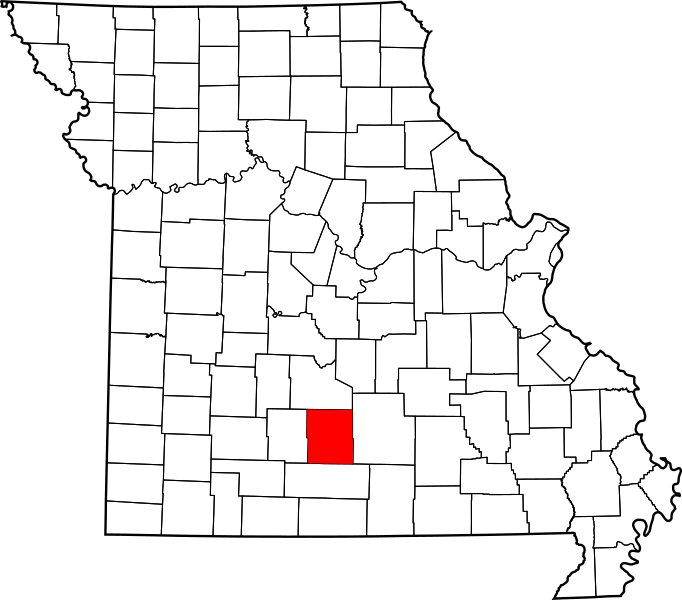
Wright County First: Learning by Doing
The goal is to understand where relatively small changes in infrastructure, relationships, information, market development, or policy could create disproportionately greater opportunity for local producers and consumers.
Wright County gives us the first place to listen, learn, and test. Then we take those questions across South Central Missouri.
Listen locally. Learn regionally. Build together.
The South Central Missouri Foodshed Project begins in Wright County with a simple premise: before we can understand what is missing, we need to understand what it takes to move local food from producer to consumer under the conditions that exist today.
GOTURSIX will combine community listening with real-world experience. As we develop the Wright County Farm Stop and work alongside local producers, we will document the pathways, decisions, costs, relationships, regulations, infrastructure, and barriers involved in moving locally produced food into local markets.
The Farm Stop gives us an unusual opportunity: we can listen to the food system while participating in it.
The Question
What exists between growing food and building a viable local food enterprise, and what is missing from that middle?
A producer may know how to grow tomatoes, raise chickens, bake bread, grow cucumbers, produce mushrooms, or raise livestock. A consumer may want to buy those products.
Between those two people can be an entire system involving:
• Licensing
• Food safety requirements
• Refrigeration
• Storage
• Processing
• Packaging and labeling
• Transportation
• Insurance
• Retail infrastructure
• Payment processing
• SNAP authorization
• WIC requirements
• Pricing
• Consignment or wholesale agreements
• Market access
• Consumer awareness
That space is where GOTURSIX is looking.
Why Wright County
Wright County provides the first learning environment because GOTURSIX is already working within the local food system here.
We have relationships with producers. We are developing the Wright County Farm Stop. We operate community food-access initiatives. We are navigating regulatory requirements. We are building physical infrastructure. We are talking with consumers, businesses, community organizations, policymakers, and regional partners.
That allows us to examine the Missing Middle through both community experience and organizational experience.
The Wright County Learning Lab
The Wright County Farm Stop will function as a practical learning environment within the larger Foodshed Project. The purpose is not to prove that the Farm Stop is the answer. The purpose is to learn what happens when we attempt to build pathways that connect local producers with local consumers.
Fresh Eggs
Question: What does it take for a very small producer to legally and economically move fresh eggs into retail?
We will document:
• Producer requirements
• Retail licensing
• Refrigeration
• Grading and labeling
• Inventory ownership
• Pricing
• Retail transactions
• Consignment
• SNAP eligibility
• Consumer access
75/25 Consignment
Question: Can a shared retail market create a workable exchange between producer, retailer, and consumer?
We will examine:
• Who owns the product
• Who sets the price
• Who processes the transaction
• How the producer is paid
• What the retailer retains
• Who carries loss or spoilage risk
• What administrative work is required
• Whether the economics make sense for both parties
SNAP
Question: What does it take to make locally produced food purchasable with SNAP?
We will document the authorization pathway, ownership requirements, retailer responsibilities, eligible inventory, payment processing, and barriers encountered along the way.
The objective is bigger than obtaining authorization. We want to understand how accessible the pathway is for a very small rural food retailer.
WIC
Question: What additional capacity would a local food retailer need to participate in WIC?
WIC will be examined separately from SNAP because the programs have different retailer requirements. The purpose of the pilot is to identify what additional infrastructure, inventory, administrative capacity, or business development would be required before WIC participation becomes realistic.
Cottage and Value-Added Foods
Question: What happens when a producer wants to move from an agricultural product into a higher-value food product?
The cucumber-to-pickle pathway provides one example. A cucumber can move through one regulatory and market pathway. Turning that cucumber into a shelf-stable pickle creates a different pathway involving additional food-safety, processing, facility, and regulatory requirements.
We will examine where those transitions create opportunities and where they create barriers to small-scale enterprise.
Shared Infrastructure
Question: What could producers accomplish collectively that may be financially unrealistic individually?
Potential shared infrastructure includes:
• Refrigeration
• Freezer space
• Dry storage
• Retail space
• Commercial or approved processing space
• Aggregation
• Distribution
• Packaging resources
• Market equipment
• Administrative support
The goal is to distinguish between barriers that require individual business development and barriers that could potentially be addressed through shared community infrastructure.
What We Will Capture
For each pathway GOTURSIX encounters, we will document:
Starting point: What was the producer or market attempting to accomplish?
Current pathway: What steps were required?
People involved: Which agencies, organizations, businesses, or partners were part of the process?
Requirements: What regulations, licenses, infrastructure, documentation, or training were required?
Cost: What did compliance or participation require financially?
Time: How long did the process take?
Clarity: Was the pathway understandable?
Barrier: Where did progress slow or stop?
Workaround: Was another pathway available?
Opportunity: Could a partnership, policy change, resource, or shared investment make the pathway more accessible?
Outcome: What happened?
Stories Become Evidence
The Foodshed Project is not intended to treat individual experiences as proof of a regional problem. Instead, individual experiences give us questions to take into the community.
If one egg producer encounters a barrier, we document the experience. If other producers describe the same barrier, a pattern begins to emerge. If that pattern appears across counties, it may represent a regional Missing Middle priority.
Local experience → Local stories → Shared patterns → Regional priorities → Action Plan
Community Listening Remains Central
The Wright County learning lab is one source of information. It does not replace community engagement.
Producer interviews, consumer conversations, Local Leadership Teams, community organizations, businesses, Extension partners, and other stakeholders will provide perspectives that GOTURSIX cannot obtain through its own projects.
Our experience helps us ask better questions. The community helps us understand the answers.
What This Pilot Can Produce
By the end of the Wright County phase, GOTURSIX should have:
• A clearer picture of how locally produced food currently moves in Wright County
• Producer stories documenting real market pathways
• Examples of barriers and successful pathways
• Early Missing Middle themes
• A tested community engagement process
• Questions to carry into other counties
• Potential shared infrastructure priorities
• Lessons from development of the Wright County Farm Stop
• Evidence to inform the regional Food System Action Plan
The Bigger Purpose
The goal is to understand where relatively small changes in infrastructure, relationships, information, market development, or policy could create disproportionately greater opportunity for local producers and consumers.
Wright County gives us the first place to listen, learn, and test. Then we take those questions across South Central Missouri.
Listen locally. Learn regionally. Build together.
South Central Missouri Foodshed Project
Building the Missing Middle
GOTURSIX | MO EATs
Project Period: September 2026 through June 2027
Regional Lead: GOTURSIX
Framework: MO EATs, University of Missouri Extension
Project Purpose
GOTURSIX is leading a regional effort to better understand how local food moves through South Central Missouri and what communities need to strengthen their local foodsheds.
The work begins with a simple curiosity:
What exists? What is missing? What makes it easier or more difficult for local food to move from producer to consumer?
The answers will come from the people who participate in the food system every day.
The Core Question
What is the “Missing Middle” in South Central Missouri’s foodshed?
The Missing Middle is the space between producing food and getting that food into the hands of people who want to buy, eat, serve, or distribute it.
That may include:
• Markets
• Aggregation
• Storage
• Refrigeration
• Processing
• Transportation
• Retail pathways
• Institutional purchasing
• Licensing and regulation
• Business readiness
• Consumer access
• Relationships and communication
The project does not begin by assuming what is missing. Local people will help us discover it.
Geographic Approach
GOTURSIX will begin in Wright County and use what we learn there to strengthen the process as the project expands throughout South Central Missouri.
Proposed county sequence: Wright → Webster → Texas → Laclede → Douglas → Ozark → Howell
The objective is not to make every county look the same. Each community has different producers, consumers, markets, organizations, resources, barriers, and opportunities. The regional work will identify where those experiences intersect.
Wright County First
Wright County serves as the initial learning environment. GOTURSIX already has relationships with producers, businesses, community organizations, consumers, and local leaders in the county.
The development of the Wright County Farm Stop also provides an opportunity to examine local food movement from the inside. Rather than studying the food system solely from a distance, GOTURSIX can document what happens while navigating real producer and market pathways.
Examples include:
• Fresh egg production and retail
• Producer consignment
• SNAP retailer authorization
• WIC readiness
• Cottage food pathways
• Value-added food production
• Refrigeration and storage
• Retail licensing
• Shared market infrastructure
These experiences do not determine the regional findings. They give us additional questions to ask.
Local Leadership Teams
Each participating county will be invited to develop a small Local Leadership Team of approximately three to five people.
The goal is not to recruit representatives who speak for an entire county. The goal is to bring together people who can help us listen.
Teams may include producers, consumers, community leaders, businesses, food retailers, schools, healthcare organizations, food access organizations, Extension partners, economic development organizations, and other people connected to the local food system.
GOTURSIX will lead the regional project. Local Leadership Teams will help make sure the work remains grounded in their communities.
ENGAGE: Listen Locally
Each county begins with conversations. We want to hear from people who grow food, sell food, buy food, prepare food, distribute food, and work within community systems connected to food.
Questions include:
• What local food resources already exist?
• How does locally produced food currently reach consumers?
• What works well?
• What makes that movement more difficult?
• Where do producers get stuck?
• Where do consumers get stuck?
• What opportunities do people see?
• What do people wish existed locally that does not exist now?
Stories matter because systems are experienced by people.
ACT: Learn Regionally
As county conversations develop, GOTURSIX will bring Local Leadership Teams together to look across the region. The purpose is to identify patterns without erasing local differences.
A challenge experienced by one producer may be an individual problem. The same challenge appearing across several counties may point to a regional opportunity.
Local stories can reveal shared assets, shared barriers, shared needs, and shared opportunities. Those patterns become potential regional priorities.
TRANSFORM: Build Together
The regional work will culminate in a South Central Missouri Food System Action Plan.
The Action Plan will document:
• What communities told us
• Existing regional strengths and resources
• Common barriers
• Opportunities for collaboration
• Infrastructure needs
• Producer and market development opportunities
• Food access considerations
• Potential partnerships
• Recommended next steps
The Action Plan is intended to be useful. It should help communities, producers, organizations, funders, policymakers, and regional partners understand where strategic investment or collaboration could strengthen the foodshed.
The Wright County Farm Stop Connection
The Wright County Farm Stop is one possible response to a local infrastructure gap. It is not the predetermined answer to the regional project.
Instead, its development gives GOTURSIX an opportunity to test questions emerging from the work.
Eggs test: How does a small producer move into retail?
75/25 consignment tests: Can a shared market create a viable exchange for both producer and retailer?
SNAP tests: What does it take for locally produced food to become accessible through federal nutrition benefits?
Value-added foods test: What happens when a producer wants to turn a raw agricultural product into a higher-value food product?
Licensing tests: How understandable and navigable are the pathways between production and legal retail sale?
Shared infrastructure tests: Which investments can serve multiple producers rather than requiring every producer to build the same infrastructure independently?
Each experience becomes another piece of information.
What We Are Not Doing
We are not arriving with a predetermined solution. We are not assuming every county needs a Farm Stop. We are not evaluating individual producers. We are not ranking communities. We are not asking communities to recreate systems that already work. And we are not building a report that sits on a shelf.
We are asking communities to help us understand their foodshed well enough to identify where collective action could make a meaningful difference.
Project Philosophy
Listen locally: Local people understand their communities.
Learn regionally: Individual experiences can reveal larger patterns.
Build together: The strongest solutions are developed with the people who will use them.
By June 2027
Success means South Central Missouri has a clearer understanding of what we have, what we need, what gets in the way, and what we can build together.
Most importantly, we will have a clearer understanding of where the region has practical opportunities to help more locally produced food become local economic opportunity.
GOTURSIX Organizational Framework
Stronger rural communities where more of the resources, knowledge, relationships, and economic opportunity already present in the Ozarks can create value here.
Building the conditions for economic mobility in Missouri’s Ozarks.
GOTURSIX is a veteran-founded 501(c)(3) community development nonprofit serving Missouri’s South Central Ozarks.
Our name comes from the military expression “I’ve got your six,” meaning “I’ve got your back.” That idea shapes how we approach community development.
We listen to the people who live, work, grow, build, and do business here. We identify the barriers standing between local resources and local opportunity. Then we bring people, partnerships, and practical infrastructure together to create pathways for communities to thrive.
Vision
Thriving rural communities where opportunity is created locally.
2026–2029 Strategy
Championing Ozark Food Producers
GOTURSIX focuses its community development work on the people, pathways, partnerships, and shared infrastructure that help locally produced food become local economic opportunity.
How We Work
Connect Neighbors
Listen locally and bring producers, consumers, community leaders, businesses, and partners into the work.
Navigate Barriers
Walk the pathways ourselves, identify what helps or hinders local enterprise, and turn lived experience into useful information.
Build What’s Missing
Develop practical partnerships, leadership, market pathways, and shared infrastructure that create opportunity locally.
Programs
Wright County Farm Stop
Shared market infrastructure designed to create pathways between local producers and consumers while providing a real-world learning environment for producer readiness, retail access, food access, value-added enterprise, and local market development.
South Central Missouri Foodshed Project
Regional listening and leadership work to understand how local food moves, what currently exists, what communities need, and what may be missing from the regional food system.
Local stories and experiences will help identify shared priorities and inform a regional Food System Action Plan.
Blessing Boxes
Community-scale infrastructure that connects neighbors with practical access to food and household essentials.
Hellbender Hollow Disc Golf Park
Community recreation that turns participation, partnerships, volunteerism, and outdoor space into support for local food access and community development.
What Success Looks Like
More Ozark producers have pathways to move from:
Resource → Product → Market → Enterprise
More rural consumers have opportunities to purchase locally produced food closer to home.
Local dollars have more opportunities to circulate locally.
Communities develop stronger producer networks, local leadership, partnerships, and shared infrastructure.
Barriers encountered by producers and consumers are documented through real experiences and communicated constructively to community partners and policymakers.
Local stories become regional knowledge.
Regional knowledge becomes shared priorities.
Shared priorities become practical action.
GOTURSIX Decision Lens
Before committing resources to a project, partnership, program, or investment, we ask:
• Does it connect local people or resources?
• Does it help navigate a barrier to opportunity?
• Does it build a pathway or piece of infrastructure that is missing?
• Does it strengthen local producer or community capacity?
• Can what we learn help another producer, community, partner, or policymaker?
The GOTURSIX Model
Listen locally.
Understand what people are experiencing.
Learn regionally.
Look for patterns, shared barriers, existing assets, and opportunities.
Build together.
Turn what we learn into partnerships, pathways, infrastructure, and action.
The Result
Stronger rural communities where more of the resources, knowledge, relationships, and economic opportunity already present in the Ozarks can create value here.
We make it easier to have your community’s back.
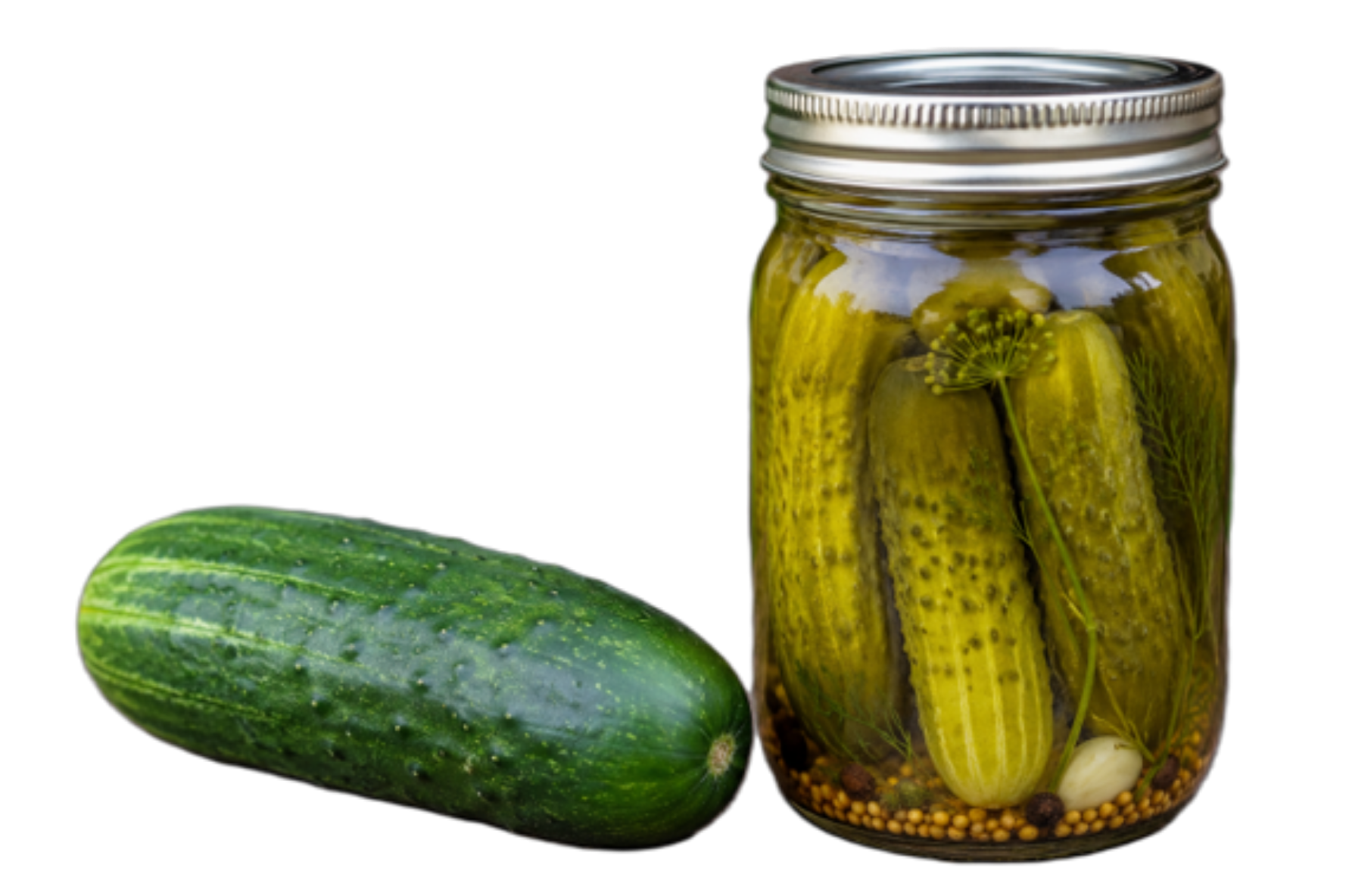
The Hidden Costs of Not Trusting A Pickle In Missouri
What Does It Take to Trust a Pickle?
A cucumber can feed a family. A pickle can build a business.
Missouri allows certain foods to be produced in home kitchens and sold directly to consumers under its cottage food framework. Pickles do not fall within that statutory definition.
That distinction may sound small. For a local producer, it can mean the difference between having a product people want and having a realistic pathway to sell it.
“A cucumber can feed a family. A pickle can feed a business.”
Missouri allows certain value added foods to be produced in home kitchens and sold directly to consumers under its cottage food framework. Pickles made at home in the Show-Me State, however, do not fall within the cottage food statutory definition.
That distinction may sound small. For a local producer, it can mean the difference between having a product people want and having a realistic pathway to sell it.
This is not an argument against food safety.
It is a question about whether Missouri can protect consumers and create reasonable pathways for small food producers to participate in the local economy.
That is why GOTURSIX keeps talking about the pickle…it’s even on our business card.
The Pickle Problem
Missouri’s cottage food law creates a home-production pathway for a limited set of foods, including baked goods, canned jams and jellies, and dried herbs. Pickles are excluded from that pathway. Most shelf-stable pickled products instead fall under Missouri’s acidified food requirements, which carry additional food-safety requirements for commercial production.Missouri statute defines a cottage food production operation around a limited set of products, including baked goods, canned jams and jellies, and dried herbs and herb mixes. Pickles are not included. Missouri r separately because improperly processed products can create serious food-safety risks.
For a producer, that creates a very different pathway:
PRODUCER → PRODUCT → REGULATION → BARRIER → ECONOMIC CONSEQUENCE
A cucumber can be grown locally and sold directly.
Turn that cucumber into a shelf-stable pickle, and the regulatory requirements change.
The question is not whether those risks deserve attention.
The question is whether the pathway for managing that risk is proportionate to the size and scale of the producer.
That is where food safety becomes an economic mobility issue.
Our Food System Is Already Showing Us Its Fragility
The pickle conversation is happening inside a much larger food system.
This summer offered a powerful example.
FDA and CDC linked a major multistate Cyclospora outbreak to iceberg lettuce processed by Taylor Farms de Mexico. By the end of the outbreak, federal investigators reported 12,883 illnesses, 570 hospitalizations, and two deaths across 21 states, including Missouri.
Missouri was not a minor footnote. CDC’s final outbreak map places the state in the range of 1,001 to 2,500 reported illnesses associated with the outbreak.
That does not mean commercially produced lettuce is unsafe.
It means something more useful:
Scale does not eliminate vulnerability.
Large supply chains can move enormous quantities of food efficiently. They can also move a problem across multiple states.
Local food systems have different risks and require their own safeguards. But strengthening local production, processing, and market access gives communities more ways to feed themselves instead of depending entirely on distant supply chains.
Food Access Is Facing Pressure Too
There is another change approaching Missouri’s food system.
Beginning October 1, 2026, the federal government’s share of SNAP administrative costs falls from 50% to 25%. Missouri’s share rises to 75%.
That change does not directly reduce a household’s SNAP allotment on October 1.
But it places substantially more responsibility for administering one of the nation’s major food-access programs onto the state.
And beginning October 1, 2027, states with SNAP payment error rates above 6% can also become responsible for a portion of actual SNAP benefit costs.
Those changes are another reason to think seriously about resilience.
Food access cannot depend on one intervention.
It depends on households being able to afford food.
It depends on retailers being available.
It depends on producers being able to produce.
It depends on food being able to move through communities.
And it depends on local entrepreneurs having a pathway to turn what they grow into products people want to buy.
Trust Belongs in the Food System Too
My work in organizational leadership taught me that leadership ultimately rests on trust.
Food systems do too.
Local food creates a kind of accountability that becomes visible.
We can know who grew the cucumber.
We can know who made the pickle.
We can ask what went into it.
We can ask how it was produced.
That relationship does not replace sanitation, science, testing, education, or sensible regulation.
Trust and food safety are not opposites.
A strong local food system needs both.
Why GOTURSIX Keeps Talking About Pickles
The pickle has become shorthand for a much larger question.
We created From Cucumber to Pickle to examine how Missouri treats value-added foods and what other states have done differently.
We put the idea on our business cards.
We ordered pickle pins.
And we keep bringing the pickle into conversations because people remember it.
The cucumber represents what our communities already produce.
The pickle represents the opportunity to create more value from it.
That value might mean a few hundred dollars of supplemental income.
It might become a farmers market business.
It might become a retail product.
It might become a rural enterprise.
That is why this is about more than pickles.
It is about what happens between production and opportunity.
GOTURSIX is not asking Missouri to choose between food safety and economic mobility.
We are asking whether we can design systems that support both.
Because a resilient Missouri food system needs safe food.
It needs accessible food.
And it needs more opportunities for the people who grow food here to build something from it.
A cucumber can feed a family.
A pickle can build a business.
And somewhere between the two is a gap worth closing.